
Dru Maestro 60 RCH Manuale utente
Installation manual
Maestro 60 RCH
G20/G25/G25.3 (Natural gas), G30 (Butane) and G31 (Propane)
English
Store this document in a safe place
959.121.02.ENDRU-872519-EN-US-0420-7

Installation manual
2
1. Step-by-step installation plan 4
2. Introduction 5
3. CE declaration 5
4. Technical data 6
5. SAFETY 7
5.1 General 7
5.2 Regulations 7
5.3 Safety instructions 7
6. Preparation 8
6.1 Unpacking 8
6.2 Type of gas 8
6.2.1 Gas type conversion 8
6.3 Gas connection 8
6.3.1 Gas hose for gas connection 9
6.4 Electric connection 9
6.5 Components appliance control 10
7. Installation 11
7.1 Placing the appliance 11
7.2 Additional installation options of the construction frame 12
7.3 Concentric system 13
7.3.1 General 13
7.3.2 Roof terminal (C31) 15
7.3.3 Wall terminal (C11) 18
7.3.4 Connection to an existing chimney 21
7.4 Placing the chimney breast 21
7.5 Placing the control hatch 24
8. Appliance 26
8.1 Glass panes 26
8.1.1 Opening the glass pane 26
8.1.2 Closing the glass pane 27
8.1.3 Removing glass pane 28
8.1.4 Reinstalling glass pane 29
8.2 Adjusting the appliance 30
8.2.1 Restrictor slide 30
8.2.2 Air inlet guide 31
8.3 Wood set 32
8.3.1 Installing the wood set 32
9. Control/operation 41
9.1 Principle of ignition cycle 42
9.2 Connecting the switch contact 42
9.3 Connection extra power supply (max. 80W, 230VAC) 43
9.4 Remote controls 43
9.4.1 Black remote control for the user 43
9.4.2 Orange remote control for the installer 43
Content

Installation manual
3
9.5 Alternative operation 43
9.5.1 Wired 44
9.5.2 Wireless 45
9.5.2.1 Connection via ‘modbus’ protocol 45
9.5.2.2 Control via application 45
10. Final inspection 46
10.1 Gas tightness 46
10.2 Gas pressure/line-pressure 46
10.3 Ignition main burner 46
10.3.1 First ignition of the appliance after installation or adjustments 46
10.3.2 Procedure for igniting the main burner 47
10.4 Flame picture 47
11. Delivery 48
12. Maintenance 49
12.1 Parts 49
Appendix 1: Malfunctions 50
1. Step-by-step installation plan
The major steps of the installation are described below,
Perform these steps and tick them once they have been performed correctly.
3Carefully read the installation manual before installing the appliance.
Installation manual
4
The appliance is now (after the above-mentioned steps) ready for use and the consumer is familiar with the
possibilities for using the appliance.
Check that the gas type and gas pressure is correct on the location where the appliance is placed.
Check that the supplied parts are present (see table 6-1).
Check the appliance for damages.
Make sure that the total installation complies with the applicable national, local and architectural regulations.
Make sure that there is a gas tap present that is always accessible and meets the legal regulations.
Ensure that the placement meets the applicable requirements concerning fire safety.
Make sure that the configuration of the concentric system with roof or wall duct corresponds with the imposed
requirements (see section 7.3).
Make sure the chimney breast meets the fire safety requirements. (see section 7.4).
Make sure the chimney breast meets the minimum dimensions (see section 7.4).
Make sure the chimney breast is sufficiently ventilated (see section 7.4).
Make sure that the control hatch with gas control is placed correctly (see section 7.5).
Make sure that the restrictor slide and air inlet guides are correctly adjusted (see section 8.2).
Ensure a correctly placed wood, pebble set or broken glass set with accessories (see section 8.3).
Make sure the remote control is made ready for use (see section 9.4).
Check all gas connections for gas tightness (see section 10.1).
Make sure that the appliance is first ignited without the glass pane (see section 10.3.1).
Ensure a cleaned glass pane in accordance with the instruction, before the atmospheric fire is ignited with the glass
pane for the first time (see chapter 12).
Check the appliance with installed glass pane for a correct ignition and a correct flame transfer of the main
burner(s) when igniting for the first time (see section 10/3/2).
Familiarise the user with the appliance (see chapter 11).
Check that the correct type of appliance has been delivered (see table 4-1).

2. Introduction
DRU, a manufacturer of gas-fired heating appliances, develops and produces products that comply with the highest
possible quality, performance and safety requirements. This appliance has a CE label, which means that it complies with
the essential requirements of the European Gas Appliance Directive. The appliance is supplied with an installation
manual and a user manual. Installation and maintenance of the appliance should be performed by a professional certified
expert with a proven knowledge and demonstrable competence in this field.
A professional expert takes all technical aspects such as heat output, gas connection and electricity into account, as well
as the flue gas discharge requirements. The information in this installation manual will ensure the appliance is installed in
such a way that it will function properly and safely. If the installation instruction is not clear, national/local regulations
must be observed.
This manual discusses the installation of the appliance and the regulations that apply to the installation. In addition, the
appliance's technical data are shown and information is provided about maintenance, possible malfunctions that might
occur and their possible causes.
Fully and carefully read and use this installation manual, before installing the appliance. When using the DRU Powervent
system® or DRU CM system®, the accompanying installation manual should also be read completely and carefully, before
installation work begins.
The following symbols are used in the manual to indicate important information:
1Work to be performed
2Suggestions and recommendations
3You will need these instructions to prevent problems that might occur during installation and/or use.
3You need these instructions to prevent fire, personal injury or other serious damages.
After final delivery, the manuals should be handed over to the user.
3. CE declaration
DRU declares that company internal measures guarantee that appliances produced by DRU meet the essential
requirements and guidelines of the regulation concerning gas-fired appliances and the accompanying standards. This
declaration loses its validity if changes are made to the appliance without written permission from DRU. The instructions
in the manuals must also be observed at all times. A copy of the CE test certificate can be downloaded via
www.druservice.com.
Product:
Type:
Product identification number:
Conformity assessment body:
Regulations:
Directives:
Standards:
Gas-fired heating appliance
Maestro 60 RCH
0063CU3479
Kiwa Netherlands B.V. (0063)
Wilmersdorf 50
Postbus 137
7300 AC, Apeldoorn
(EU) 2016/426, (EU) 2015/1188
2014/35/EU, 2014/30/EU
EN 613:2000, EN 613:2000/A1:2003, EN 613:2000/PrA2:2002
EN 60335-1:2012, EN 60335-2-102:2016, EN 55014-1:2007
EN 55014-2:2015, EN 61000-3-2:2014, EN 61000-3-3:2013
Installation manual
5
DRU Verwarming B.V.
Postbus 1021, NL-6920 BA Duiven
Ratio 8, NL-6921 RW Duiven
www.drufire.com
R.P. Zantinge, Managing director
Duiven, 29-08-2019
4. Technical data
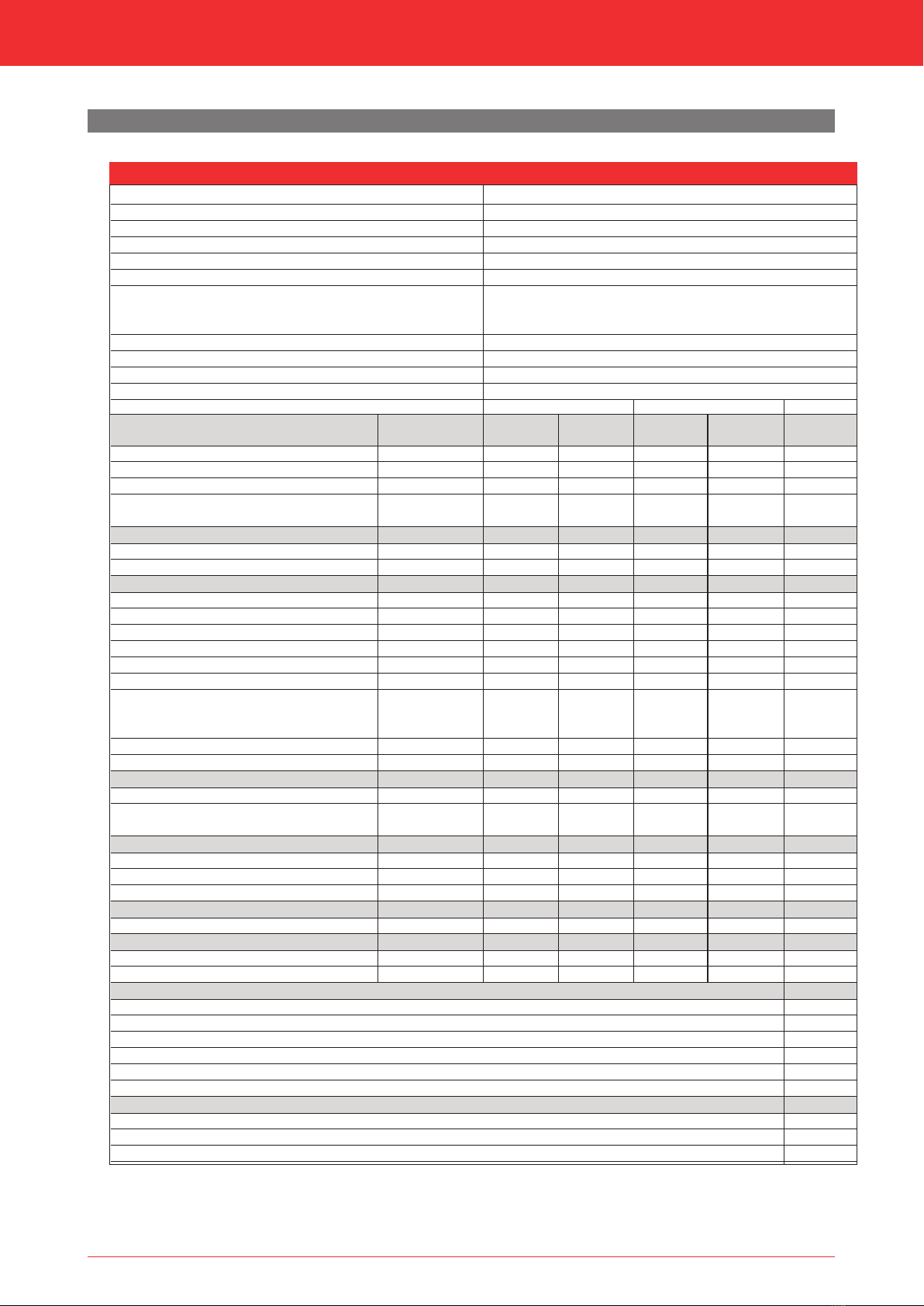
Check the technical data based on the table below.
Installation manual
Gastype:
Indirect heating functionality
Direct heat output
Indirect heat output
Space heating emissions NOx
Heat output
Nominal heat output
Minimum heat output (indicative)
Technical data
Nominal heat input (Hs)
Nominal heat input (Hi)
Consumption max
Consumption min
Burner pressure max
Burner pressure min
Main burner injector
Low setting injector
Efficiency class (EN613)
Useful efficiency (NCV)**
Useful efficiency at nominal heat output
Useful efficiency at minimum heat output
(indicative)
Auxiliary electricity consumption
At nominal heat output
At nominal heat output
In standby mode
Permanent pilot flame power requirement
Pilot flame power requirement (if applicable)
Energy efficiency
Energy efficiency index
Energy efficiency class
Symbol
Pnom
Pmin
ηth,nom
ηth,min
elmax
elmin
elSB
Ppilot
EEI
G25/G25.3*
No
6,8
-
96,8
6,8
1,6
9,3
8,4
1001
269
16,7
6,2
1x Ø1,65
1x Ø1,40
1x Ø1,50
A****
1
92,5
91,0
0,0236
0,0125
0,0026
-
92
A
G31
No
7,3
-
69,4
7,3
1,1
9,7
8,9
359
60
26,6
9,0
1x Ø1,10
1x Ø0,90
1x Ø1,05
A****
1
93,9
91,9
0,0236
0,0125
0,0026
-
93
A
G20
No
7,2
-
107,2
7,2
1,9
9,8
8,8
931
271
13,5
4,9
1x Ø1,65
1x Ø1,40
1x Ø1,50
A****
1
94,3
91,3
0,0236
0,0125
0,0026
-
94
A
Unit
kW
kW
mg/kWhinput
(GCV)
kW
kW
kW
kW
L/h
L/h
mbar
mbar
mm
mm
%
%
kW
kW
kW
kW
G30
No
8,5
-
80,4
8,5
1,2
11,0
10,2
311
50
26,5
8,4
1x Ø1,10
1x Ø0,90
1x Ø1,05
A****
1
94,6
91,8
0,0236
0,0125
0,0026
-
94
A
Type of heat output / room temperature control
Single stage heat output, no room temperature control
Two or more manual stages, no room temperature control
With mechanic thermostat room temperature control
With electronic room temperature control
With electronic room temperature control plus day timer
With electronic room temperature control plus week timer
Other control options
Room temperature control, with presence detection
Room temperature control, with open window detection
With distance controle option
No
No
No
Yes
Yes
Yes
Yes***
Yes***
Yes
Maestro 60 RCH
Built-in
Closed combustion
C11, C31, C91, C12, C32*****
I2E, I2E+, I2EK, I2ELL, I2H, I3B, I3P, II2E3B/P, II2EK3B/P, II2H3B/P, II2H3P
200/130
DRU LAS ES-I 200/130, DRU LAS ES-E 200/150/100,
DRU LAS AG-I 150/100, DRU LAS ES-I 150/100, DRU PV-I 100/60
Separated ignition / ionization plugs
Yes
150°C
700 mm / 500 mm
V-in: 80 cm2 (LED; 2x 80 cm2) /V-out: 200 cm2
* This appliance is suitable for G25.3 with the composition according NTA 8837. ** System efficiency. *** To be used by means of
home automation. **** Adjusting screw. *****Categories C12 and C32 only in combination with DRU PV-1 100/60 (PowerVent®).
Model identifier(s)
Type of appliance
Combustion
Type
Categorie
Concentric appliance connection
Applicable concentric systems
Flame protection version
Pressure equalisation
Max. temp. outer tube concentric system
Radiation range safe distance (front/side)
Ventilation hole chimney breast
Table 4-1: Technical data
6

5. SAFETY
5.1 General
3- Observe the generally applicable regulations and precautions/safety instructions in this manual.
- First check that the technical execution of the appliance to be installed is correct (see table 4-1).
- Read this manual carefully to ensure the proper and safe installation of the appliance.
- Observe the regulations/instructions in this manual.
5.2 Regulations
Please install the appliance in accordance with the applicable national, local and constructional (installation) regulations.
5.3 Safety instructions
Carefully observe the following precautions/safety instructions:
3The appliance may only be installed and maintained by recognised installers who are skilled in the field of gas heating
and electricity.
3Do not make any changes to the appliance.
3When installing a built-in appliance:
- Use non-combustible and heat-resistant materials for the chimney breast, including the top of the chimney breast and
the material in the chimney breast, such as the floor under the appliance and the back wall against which the appliance
will be placed. For this you can use both sheet material and stone-like materials.
- Take sufficient measures to prevent temperatures of a wall behind the chimney breast becoming too high, including
the materials and/or objects behind the wall.
- Take the minimum required internal dimensions of the chimney breast into account. These are for the benefit of safety
and for the prevention of excess heat accumulation in the chimney breast.
- Vent the chimney breast by means of the ventilation holes (see table 4-1). These are essential for ensuring safety and
for the prevention of excess heat accumulation in the chimney breast.
- Use heat resistant electrical connectors.
- Place heat-resistant electrical wiring away from the appliance and as low as possible in the chimney breast. This has to
do with the temperature development in the chimney breast.
- Only use the flue gas discharge / combustion air supply system (concentric system) supplied by DRU.
3When installing a free-standing appliance: place the appliance at the indicated minimum distance from the back wall, as
indicated further down in the text.
3Do not cover the appliance and/or do not wrap it in an insulation blanket or any other material.
3Keep combustible objects and/or materials outside the appliance's radiation range (see table 4-1).
3Only use the accompanying set, such as the wood or pebble set, and place it exactly as described.
3Leave space around the ionisation pin and spark electrode and never place glow material around these pins.
3Make sure there is no dirt in gas pipes and connections.
3Place a gas tap in accordance with applicable regulations.
3Check the complete installation for gas tightness prior to commissioning.
3Prevent the explosion hatch(es) on the top of the appliance (if present) from getting clogged and check that they
properly fit on the sealing surface, before the appliance is built in.
3Do not ignite the appliance until it is fully installed when it comes to the gas connections, discharge system and electrical
components.
3Do not use the appliance when a pane is broken and/or cracked, until it has been replaced.
3The appliance was designed for atmospheric and heating purposes. This means that all visible surfaces, including the
glass pane, can become hotter than 100C°. It is recommended to always place a protective grating in front of the
appliance when there are children, elderly people or handicapped persons in the same room as the appliance.
If it is possible that vulnerable people are regularly present in the room with no supervision, a fixed guard should be
mounted around the appliance.
Installation manual
7
6. Preparation
6.1 Unpacking
Note the following items when removing the packaging:
1Remove all packaging materials.
1Remove all supplied components in, on and/or at the appliance.
1Check the appliance and accessories for damages (during transport).
1If necessary, contact your supplier.
1Never install an appliance that is damaged!
1Remove any screws that are used to fix the appliance to a platform or pallet.
3The glass pane(s) is/are made of a ceramic material. Very small irregularities in the glass panes cannot be avoided, but are
within the required quality standards.
3Keep plastic bags away from children.
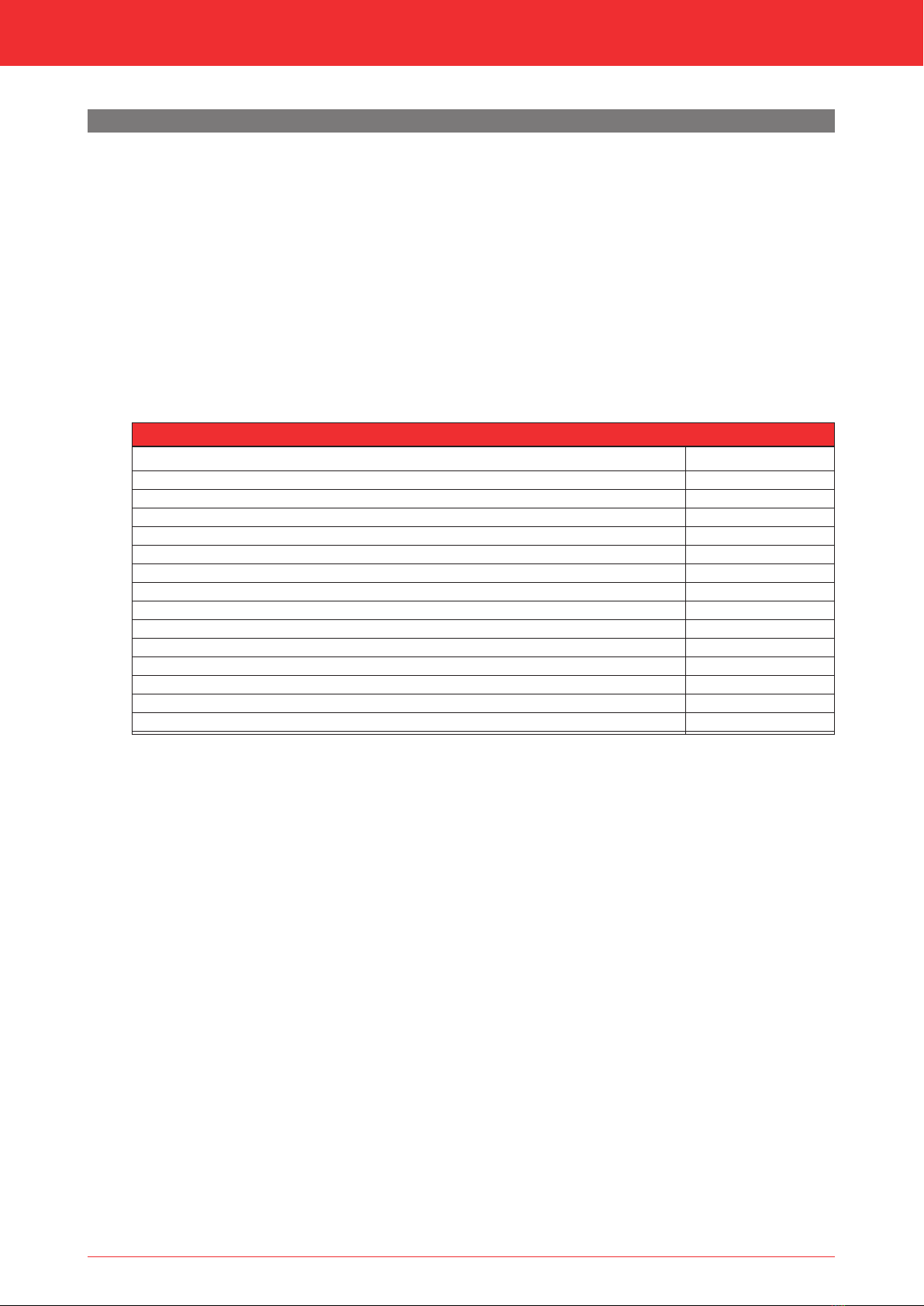
Table 6-1 indicates which components should be available after removing the packaging.
1Contact the supplier if you find that not all components have been supplied.
1Packaging must be disposed of in accordance with the regulations.
Installation manual
8
6.2 Type of gas
The data plate indicates for which type of gas, gas pressure and for which country this appliance is intended.
The data plate can be found on the appliance or can be attached to a chain to which it should remain attached.
3Check whether the appliance is suitable for the type of gas and the gas pressure used at the location.
6.2.1 Gas type conversion
In order to convert this appliance to a different type of gas, please contact DRU's service department and ask for
the possibilities. The conversion should be performed by a recognised gas installer.
6.3 Gas connection
Place a gas tap in the gas pipe in accordance with the applicable regulations. The gas connection on the gas control is
located next to the receiver (fig. 6-2 (Gin)).
3- Make sure there is no dirt in the gas pipes and connections.
- No soldering may take place at the flexible gas hose(s), as this could cause leaks.
The following requirements apply to the gas connection:
- Use a gas pipe with the correct dimensions, so that no pressure loss can occur.
- The gas tap must be approved (in the EU this will be the CE mark).
- You should always be able to reach the gas tap.
Table 6-1: Parts included with the delivery
Part
Installation manual
User manual
Wood set (including: chips, vermiculite and ash)
LED glow rocks (if applicable)
Glow material
Restrictor slide
Air inlet guide 2
Remote control
Mains cable
Control hatch
Back-up self-tapping screw
Key bolt M8 (including: Hexagonal nut M8 and Washer M8)
Compression fitting 15 mm x G3/8”
Socket spanner 8 mm
Number
1x
1x
1x
1x
1x
1x
1x
1x
1x
1x
nx
4x
1x
1x
Installation manual
9
6.3.1 Gas hose for gas connection
In many cases, an EN14800-compliant gas hose for a gas connection can be ordered together with the appliance. The gas
hose is mounted to the appliance and has been checked for leak-tightness. This gas hose is available in different lengths.
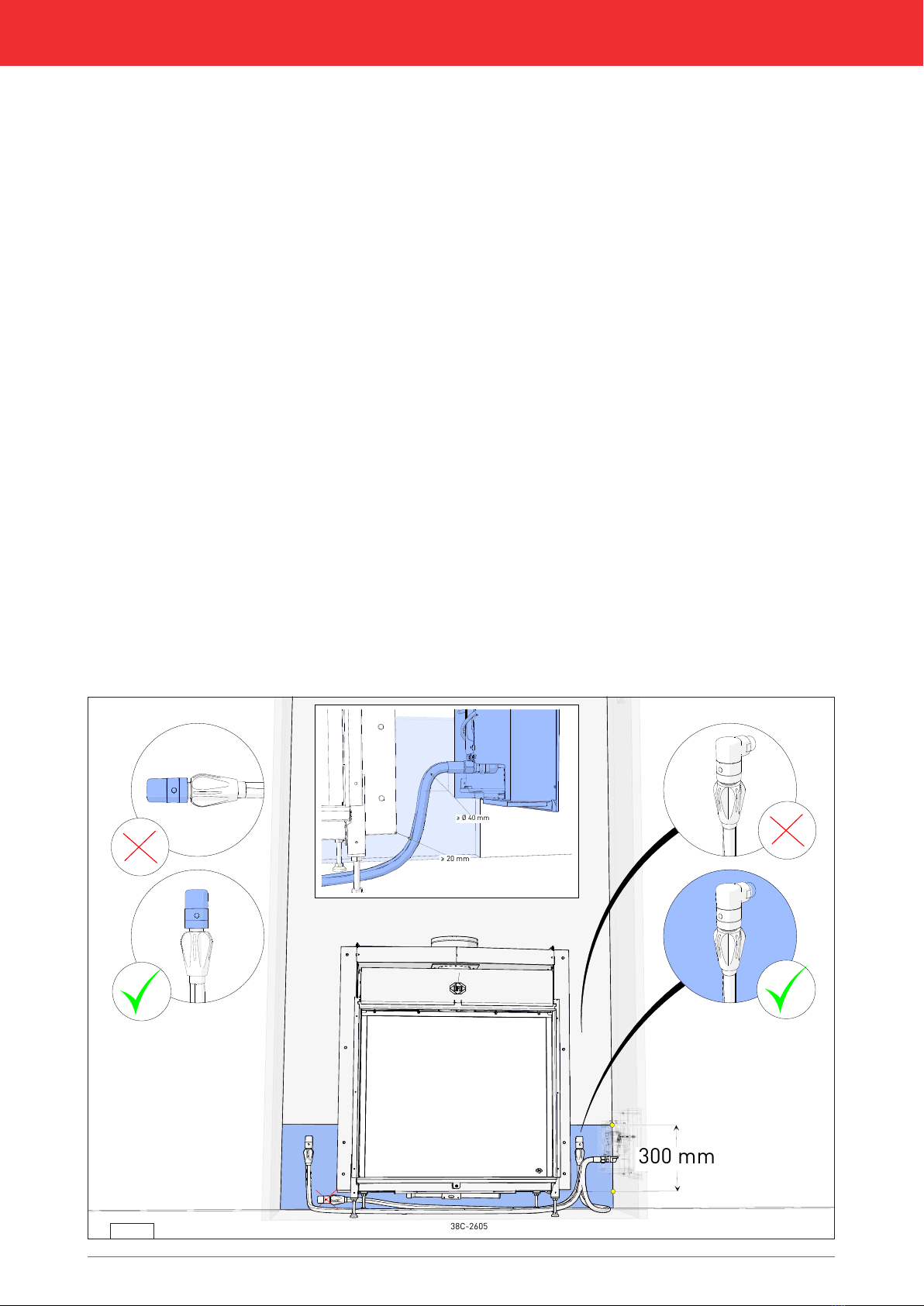
3Take the following into account when installing the gas connection and the appliance (see fig. 6-1):
- The gas connection must always be accessible to be able to shut off the gas supply.
- The gas connection may only be mounted vertically, so that the gas hose can be connected vertically at the bottom.
- The gas connection is permitted in a zone (blue hatched area in fig. 6-1). To the left and right of the appliance to a
height of 30 cm above the bottom side of the appliance (the bottom side is the end of the adjustable feet holder,
without the feet). Under the appliance in the area between the legs.
- The gas connection and gas hose should not be placed behind the appliance.
- The gas hose may not get above the bottom side of the appliance (the bottom side is the end of the foot without the
adjustable feet)
- The minimum bend radius of the hose is 40 mm.
- The hose should be placed as low as possible, must have a minimum distance from the appliance of 20 mm and, if
possible, should not be placed under the burner.
- The entrance of the gas control in which the hose is mounted faces the appliance. Due to the bend radius, the chimney
breast width becomes larger on the side of the control hatch. The minimal depth of the control hatch is 270 mm.
6.4 Electric connection
In case of an electrical connection of 230 Volts, always provide sufficient earthing. Place this electrical connection away
from the appliance, as low as possible in the chimney breast. Make sure the electrical connection is within reach. This has
to do with the temperature development in the chimney breast.
3Make sure that it is easy to disconnect the appliance from the power supply after installation: By disconnecting the
plug or by means of a 2-core switch installed by a recognised installer in accordance with current regulations.
3- Protect the gas control and electric components, hereafter referred to as the gas control, against building dust and
moisture!
- In the case of appliances made with the CM system®, observe the instructions in the supplied manual for connecting
the receiver and control panel.
300 mm
38C-2605
≥ 20 mm
≥ Ø 40 mm
6-1
Installation manual
10
6.5 Components appliance control
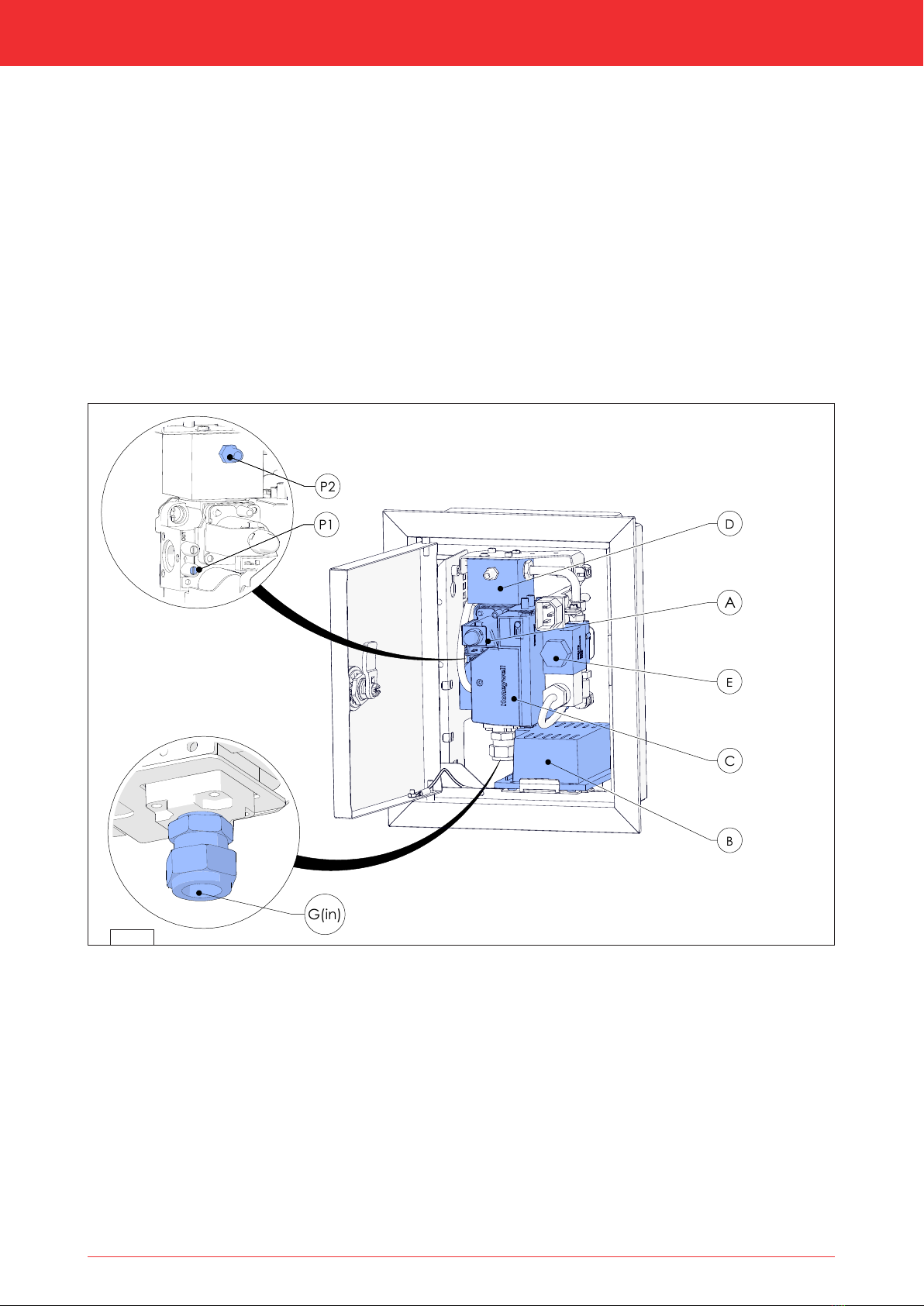
This section states the components that are used to control the appliance (see fig. 6-2).
Legend:
A = Gas control; controls the gas to the burners
B = Receiver; communicates with the transmitter
C = Processor (ESYS); controls the gas control
D = Distribution block; connection of the burners
E = Valve 2nd burner; opens and closes the gas supply to the 2nd burner (if applicable)
P1 = Pressure gauge nipple 1; line-pressure
P2 = Pressure gauge nipple 2; burner pressure
G (IN) = Gas connection; connection from the gas control to the gas network
D
A
C
B
G(in)
E
P2
P1
38C-2555-0
6-2
Altri manuali per Maestro 60 RCH
1
Indice
Altri manuali Dru Camino da interno

Dru
Dru Metro 100XT-41 RCH Manuale utente

Dru
Dru Venteo E Manuale utente

Dru
Dru Global Fires Global 55 CF RCE Manuale utente

Dru
Dru Metro 130XTL RCH Manuale utente

Dru
Dru Metro 130 Tunnel Guida

Dru
Dru Metro 150 XT Manuale utente

Dru
Dru Saxo SL 80 Guida

Dru
Dru Venteo E Manuale

Dru
Dru DIABLO (PROPAAN) Guida utente

Dru
Dru Metro 130XT-41 RCH Manuale utente

Dru
Dru Lugo 80 RCH Manuale utente

Dru
Dru G20 Manuale utente

Dru
Dru Metro 80XT RCH G31 Manuale utente

Dru
Dru Circo G31 Manuale utente

Dru
Dru Virtuo Evolve 100 Manuale utente

Dru
Dru G25 Manuale utente

Dru
Dru Maestro g20 Guida

Dru
Dru maestro 100 RCH G20 Manuale utente

Dru
Dru Cello Guida utente

Dru
Dru SOPRANO Guida utente


