
Midea T24510M6WH Manuale utente
PART Ⅱ: Special Version
T24510M6WH
Please read this manual carefully
before using the dishwasher and
Keep this manual for future reference.
CONTENTS
ERROR CODES
NOTE:
If you cannot solve the problems by yourself, please ask for help from a
professional technician.
The manufacturer, following a policy of constant development and updating of
the product, may make modifications without giving prior notice.
If lost or out-of-date, you can receive a new user manual from the manufacturer
or responsible vendor.
PROGRAMMING THE DISHWASHER
Wash Cycle Table
Starting A Cycle Wash
Changing The Program Mid-cycle
Forget To Add A Dish?
USING YOUR DISHWASHER
Control Panel
Water Softener
Preparing And Loading Dishes
Function Of The Rinse Aid And Detergent
Filling The Rinse Aid Reservoir
Filling The Detergent Dispenser
4
4
6
12
7
10
11
13
13
15
15
16
TECHNICAL INFORMATION
18
17
5
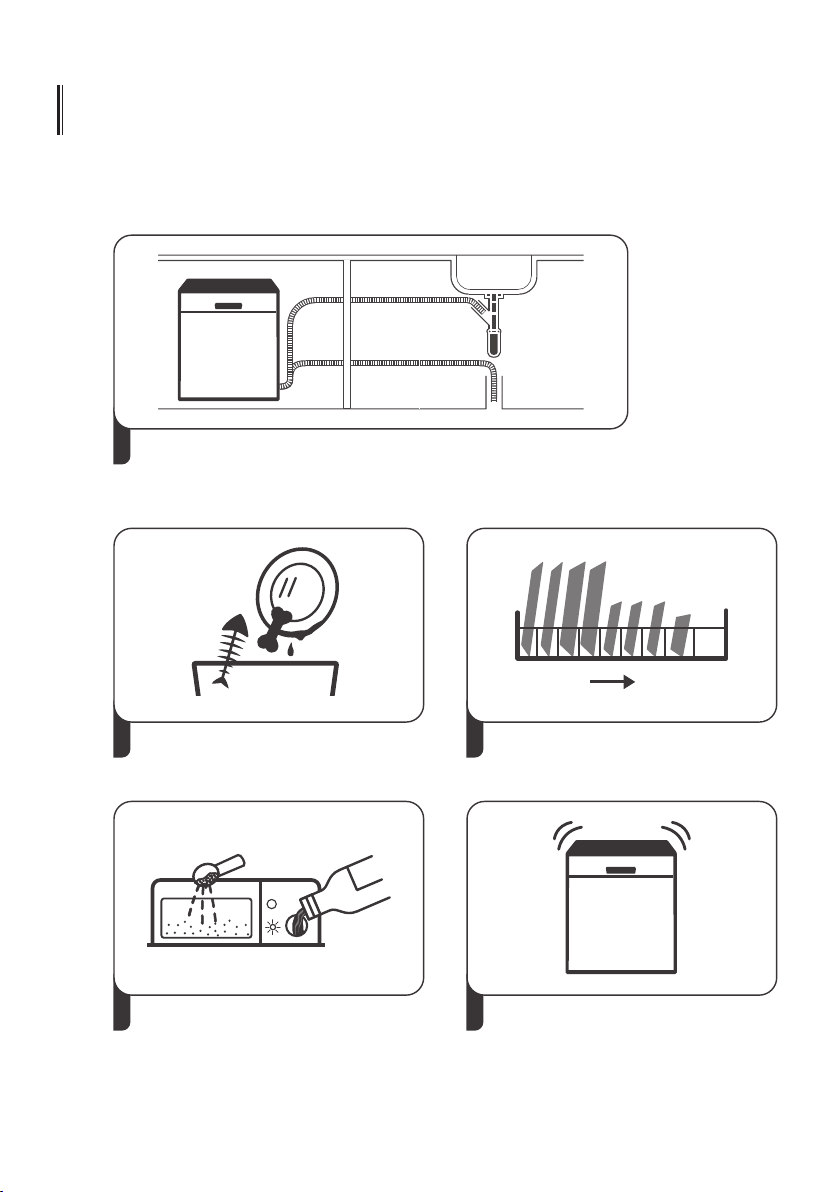
QUICK USER GUIDE
Please read the corresponding content on the instruction manual for detailed
operating method.
2Removing the larger residue on the
cutlery
3Loading the baskets
4Filling the dispenser Selecting a program and running
the dishwasher
Inside Outside
3
1Install the dishwasher
(Please check the section 5 “INSTALLATION INSTRUCTION ”
of PART Ⅰ: Generic Version.)
USING YOUR DISHWASHER
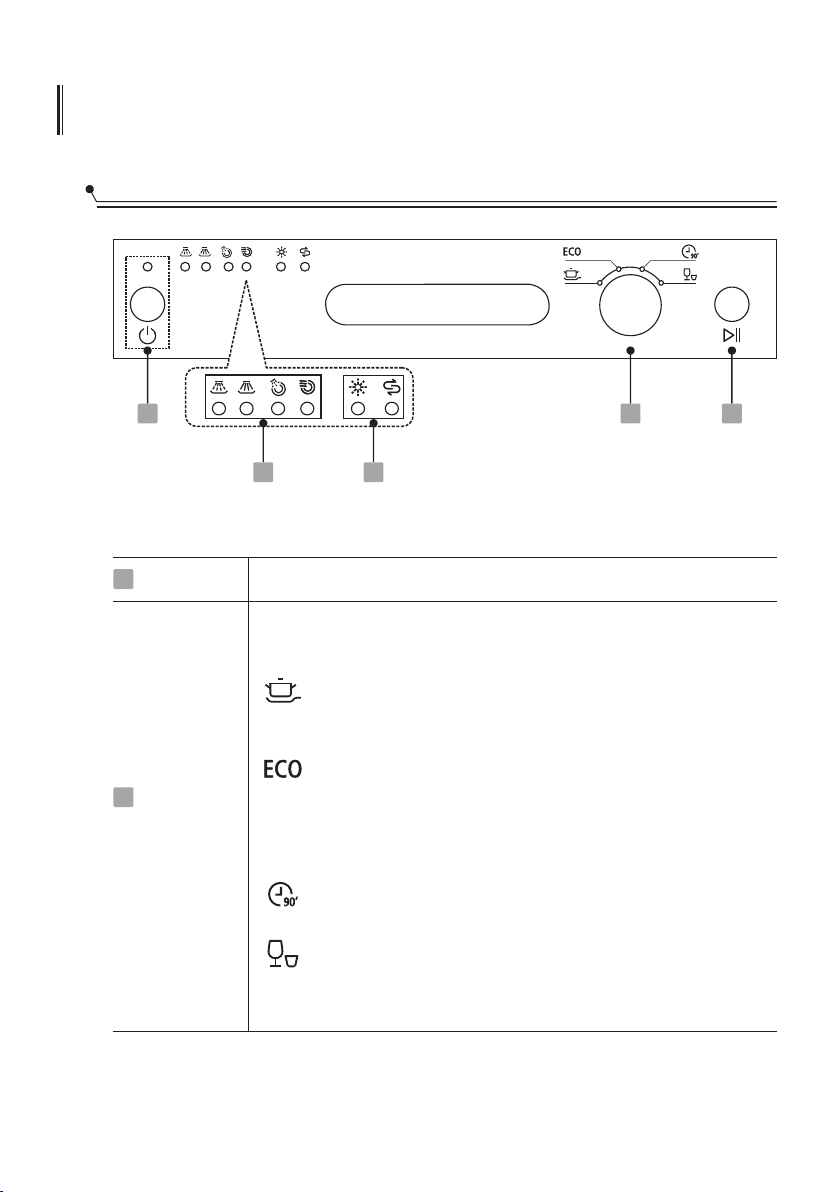
Control Panel
4
Operation (Button)
Power
Program
Press this button to turn on your dishwasher.
1
2
Rotate the knob to select the appropriate washing program,
corresponding indicator will be lit.
Intensive
For heaviest soiled crockery, and normally soiled pots, pans,
dishes etc.With dried-on food.
ECO
This is standard program, it is suitable to clean normally
soiled tableware and it is the most efficient program in
terms of its combined energy and water consumption for
that type of tableware.
90 min
For normally soiled loads that need quick wash.
23
4 5
1
Rapid
A shorter wash for lightly soiled loads that do not
need drying.

5
Start/Pause3 Press the button to start the selected washing program or pause
the working program.
Warning
indicator
5
Salt
If the “ ” indicator is lit, it means the dishwasher is
low on dishwasher salt and needs to be refilled.
Display
Rinse Aid
If the “ ” indicator is lit, it means the dishwasher is
low on dishwasher rinse aid and requires a refill.
Progress information
The progress light that corresponds to the current operation
turns on to show the progress of the cycle.(Pre-wash, Main-wash,
Rinse, Drying)
Progress
indicator
4Pre-wash
Main-wash
Rinse
Drying
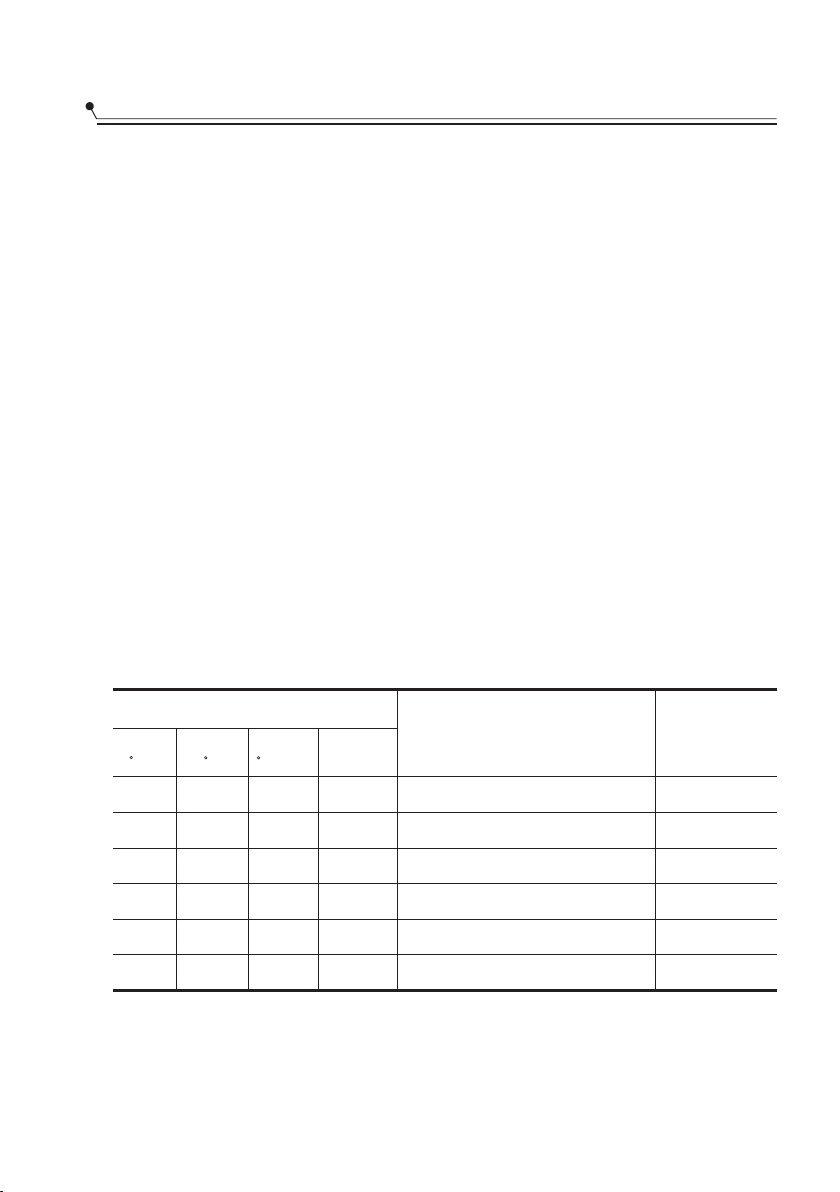
Water Softener
The water softener must be set manually, using the water hardness dial.
The water softener is designed to remove minerals and salts from the water, which
would have a detrimental or adverse effect on the operation of the appliance.
The more minerals there are, the harder your water is.
The softener should be adjusted according to the hardness of the water in your area.
Your local Water Authority can advise you on the hardness of the water in your area.
Adjusting salt consumption
The dishwasher is designed to allow for adjustment in the amount of salt consumed
based on the hardness of the water used. This is intended to optimise and customise
the level of salt consumption.
1. Switch on the appliance;
2. Press the Start/Pause button for more than 5 seconds to start the water softener set
model within 60 seconds after the appliance was switched on;
3. Rotate the Program knob to select the proper set according to your local
environment, the sets will change in the following sequence:
H1->H2->H3->H4->H5->H6;
4. Without operation in 5 seconds or press the Power button to complete the setup
and exit the setup mode.
Please follow the steps below for adjustment in salt consumption.
dH=1.25 Clarke=1.78 fH=0.178mmol/l
°°
°
1
The manufactory setting: H3
Contact your local water board for information on the hardness of your water supply.
6
0 - 5
6 - 11
12 - 17
18 - 22
23 - 34
35 - 55
German
dH
German
dH
Salt consumption
(gram/cycle)
Salt consumption
(gram/cycle)
0 - 9
10 - 20
21 - 30
31 - 40
41 - 60
61 - 98
0 - 6
7 - 14
15 - 21
22 - 28
29 - 42
43 - 69
0 - 0.94
1.0 - 2.0
2.1 - 3.0
3.1 - 4.0
4.1 - 6.0
6.1 - 9.8
H1->
H2->
H3->
H4->
H5->
H6->
Rapid indicator lights
90 min indicator lights
90 min, Rapid indicators light
ECO indicator lights
ECO, Rapid indicators light
ECO, 90min indicators light
0
9
12
20
30
60
French
fH
French
fH Mmol/lMmol/l
Water softener levelWater softener level
British
Clarke
British
Clarke
WATER HARDNESS
NOTE:
If your model does not have any water softener, you may skip this section.
Water Softener
The hardness of the water varies from place to place. If hard water is used in the
dishwasher, deposits will form on the dishes and utensils.
The appliance is equipped with a special softener that uses a salt container
specifically designed to eliminate lime and minerals from the water.
Preparing And Loading Dishes
Consider buying utensils which are identified as dishwasher-proof.
For particular items, select a program with the lowest possible temperature.
To prevent damage, do not take glass and cutlery out of the dishwasher
immediately after the program has ended.
Cutlery with wooden, horn china or mother-of-pearl handles
Plastic items that are not heat resistant
Older cutlery with glued parts that are not temperature resistant
Bonded cutlery items or dishes
Pewter or cooper items
Crystal glass
Steel items subject to rusting
Wooden platters
Items made from synthetic fibres
Some types of glasses can become dull after a large number of washes
Silver and aluminum parts have a tendency to discolor during washing
Glazed patterns may fade if machine washed frequently
For washing the following cutlery/dishes
Are not suitable
Are of limited suitability
7
Please check the section 3 “Loading The Salt Into The Softener”
of PART Generic Version, If your dishwasher lacks salt.Ⅰ:
Please check the section 3 “Loading The Salt Into The Softener”
of PART Ⅰ: Generic Version, If your dishwasher lacks salt.
Items such as cups, glasses, pots/pans, etc. are faced downwards.
Curved items, or ones with recesses, should be loaded aslant so that water can run
off.
All utensils are stacked securely and can not tip over.
All utensils are placed in the way that the spray arms can rotate freely during
washing.
Load hollow items such as cups, glasses, pans etc. With the opening facing
downwards so that water cannot collect in the container or a deep base.
Dishes and items of cutlery must not lie inside one another, or cover each other.
To avoid damage, glasses should not touch one another.
The upper basket is designed to hold more delicate and lighter dishware such as
glasses, coffee and tea cups.
Long bladed knives stored in an upright position are a potential hazard!
Long and / or sharp items of cutlery such as carving knives must be positioned
horizontally in the upper basket.
Please do not overload your dishwasher. This is important for good results and for
reasonable consumption of energy.
NOTE:
Very small items should not be washed in the dishwasher as they could easily fall
out of the basket.
To prevent water dripping from the upper basket into the lower basket, we
recommend that you empty the lower basket first, followed by the upper basket.
Removing the dishes
WARNING
Items will be hot! To prevent damage, do not take glass and
cutlery out of the dishwasher for around 15 minutes after the
program has ended.
8
Recommendations for loading the dishwasher
Scrape off any large amounts of leftover food. Soften remnants of burnt food in
pans. It is not necessary to rinse the dishes under running water.
For best performance of the dishwasher, follow these loading guidelines.
(Features and appearance of baskets and cutlery baskets may vary from
your model.)
Place objects in the dishwasher in following way:
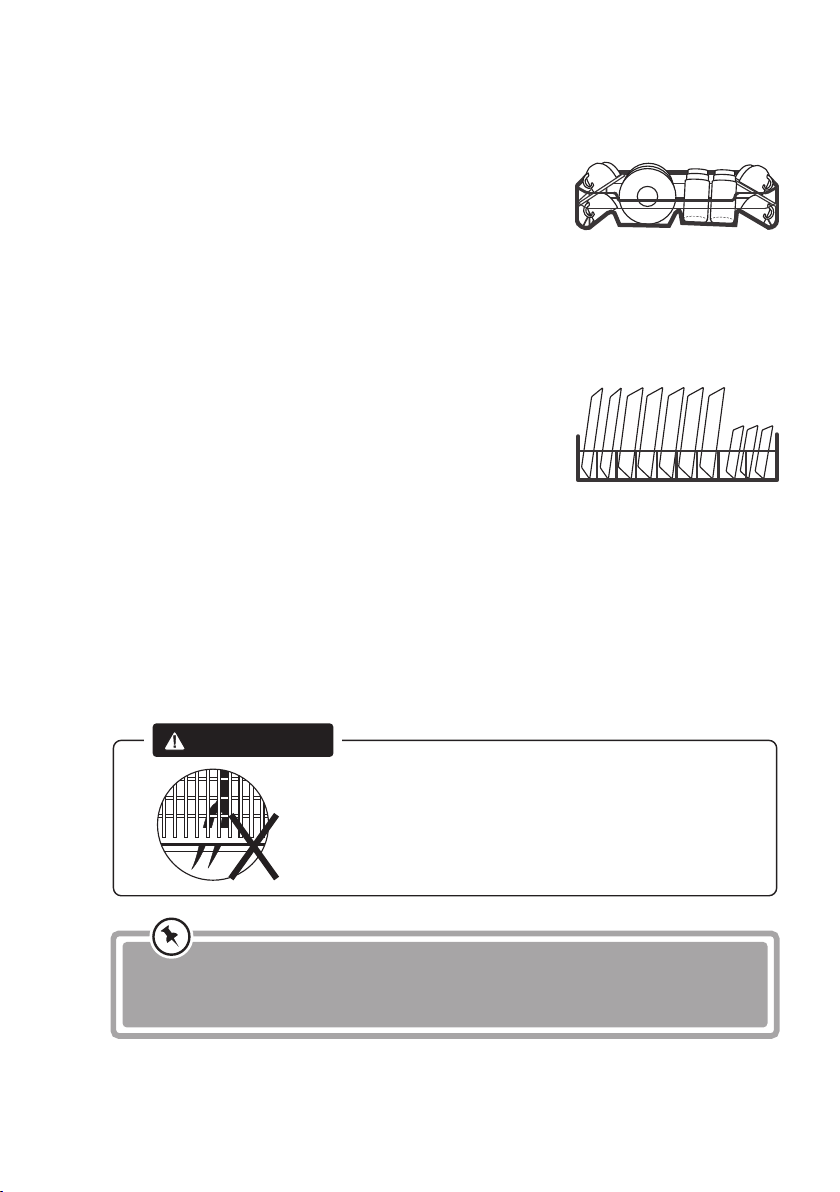
Loading the upper basket
The upper basket is designed to hold more delicate and
lighter dishware such as glasses, coffee and tea cups
and saucers, as well as plates, small bowls and shallow
pans (as long as they are not too dirty). Position the
dishes and cookware so that they will not get moved by
the spray of water.
9
WARNING
Do not let any item extend through
the bottom.
Always load sharp utensils with the
sharp point down!
Loading the cutlery basket
Cutlery should be placed in the cutlery rack separately from each other in the
appropriate positions, and do make sure the utensils do not nest together, this may
cause bad performance.
For the best washing effect, please load the baskets refer to standard
loading options on last section of PART Generic VersionⅠ:
For the best washing effect, please load the baskets refer to standard
loading options on last section of PART Ⅰ: Generic Version
Loading the lower basket
We suggest that you place large items and the most
difficult to clean items are to be placed into the lower
basket: such as pots, pans, lids, serving dishes and bowls,
as shown in the figure below. It is preferable to place
serving dishes and lids on the side of the racks in order to
avoid blocking the rotation of the top spray arm.
The maximum diameter advised for plates in front of the
detergent dispenser is of 19 cm, this not to hamper the
opening of it.
10
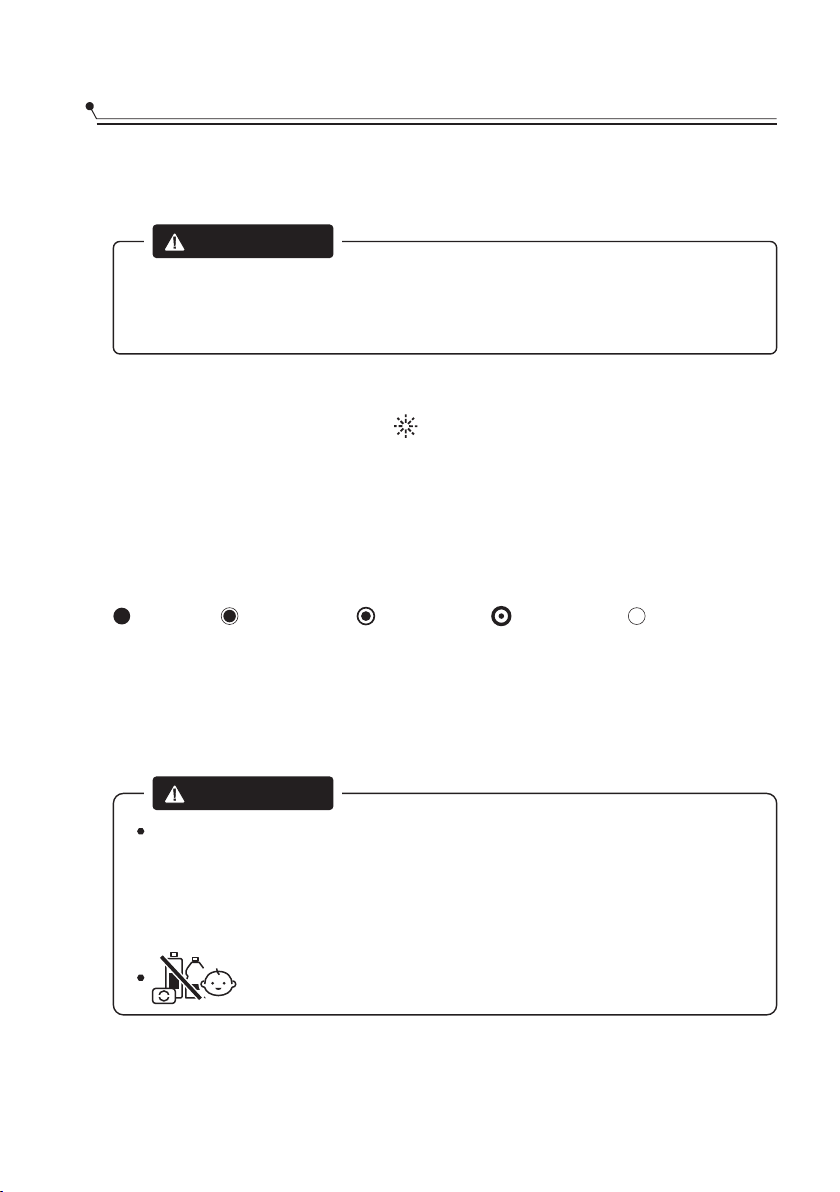
The rinse aid is released during the final rinse to prevent water from forming droplets
on your dishes, which can leave spots and streaks. It also improves drying by allowing
water to roll off the dishes. Your dishwasher is designed to use liquid rinse aids.
When to refill the rinse aid dispenser
WARNING
Only use branded rinse aid for dishwasher. Never fill the rinse aid dispenser
with any other substances (e.g. Dishwasher cleaning agent, liquid detergent).
This would damage the appliance.
Unless the rinse-aid warning light ( ) on the control panel is on, you can always
estimate the amount from the color of the optical level indicator located next to the
cap. When the rinse-aid container is full, the indicator will be fully dark. The size of the
dark dot decreases as the rinse-aid diminishes. You should never let the rinse aid level
be less than 1/4 full.
As the rinse aid diminishes, the size of the black dot on the rinse aid level indicator
changes, as illustrated below.
Full 3/4 full 1/2 full 1/4 full Empty
Function Of The Rinse Aid And Detergent
Function of detergent
The chemical ingredients that compose the detergent are necessary to remove, crush and
dispense all dirt out of the dishwasher. Most of the commercial quality detergents are
suitable for this purpose.
WARNING
Proper Use of Detergent
Use only detergent specifically made for dishwashers use. Keep your detergent
fresh and dry.
Don't put powdered detergent into the dispenser until you are ready to wash
dishes.
Dishwasher detergent is corrosive! Keep dishwasher
detergent out of the reach of children.
Indice
Altri manuali Midea Lavastoviglie

Midea
Midea WQP6-3705 Come usare

Midea
Midea MDW12RSS Manuale utente

Midea
Midea WQP12-J7635E Manuale utente

Midea
Midea MFD60S200W.2-ES Manuale utente

Midea
Midea WQP4-2605 Manuale utente

Midea
Midea Wp5C Manuale utente

Midea
Midea 340457 Manuale utente

Midea
Midea UP2-HK Manuale utente

Midea
Midea WQP6-3607 Manuale utente

Midea
Midea MDW15GSS Manuale utente

Midea
Midea WQP12-7605V Manuale utente

Midea
Midea WQP12-5203 Manuale utente

Midea
Midea EGV4.45 Manuale utente

Midea
Midea EGT 2.60 IX Manuale utente

Midea
Midea WQP6-3207A Come usare

Midea
Midea M18DB9339WW3A Manuale utente

Midea
Midea WQP8-7636Q Manuale utente

Midea
Midea DW143W Manuale utente

Midea
Midea SV 8.45 wi Manuale utente

Midea
Midea WQP6-3209 Come usare


